Louvered Pergola Permit Requirements in San Diego County
Louvered pergola permit requirements in San Diego County depend on jurisdiction, structure size, and whether the pergola is attached to the house or freestanding, which is why the same-looking structure can be permit-exempt on one lot and permit-required on the next.
When a Municipal Permit Applies
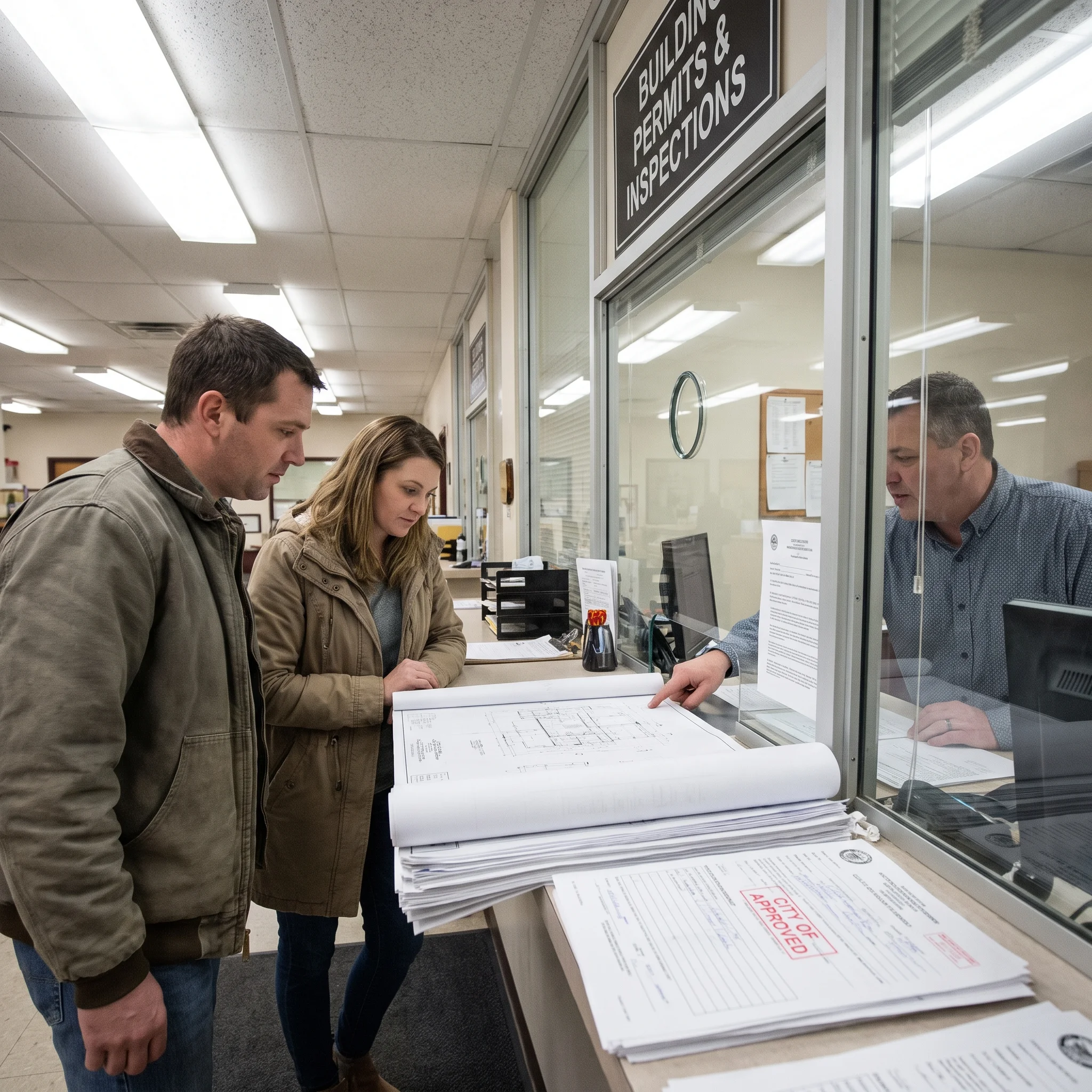
Most San Diego County jurisdictions require a building permit for any patio structure that is attached to the primary residence, exceeds roughly 300 square feet of projected roof area as a freestanding structure, or includes electrical work for lighting, motorized operation, or integrated heating. A structure that stays under that threshold and remains fully detached with no electrical scope can, in some jurisdictions, qualify for an exemption — but the exact figure is jurisdiction-specific, and a permit rule that applies in the city of San Diego does not automatically carry over to an unincorporated county parcel or a different municipality within the county.
HOA Approval Is a Separate Process From the Permit
A property inside an HOA needs architectural committee approval independent of whatever the municipal permit requirement turns out to be — an HOA can require review and impose material, color, or setback restrictions on a louvered pergola even in a jurisdiction where no municipal permit would otherwise be needed for that size structure. Skipping the HOA step because a permit was not required municipally is one of the more common and more expensive mistakes homeowners make, since an HOA violation can require full removal of an already-completed structure.
What a Permit Application Typically Requires
A typical louvered pergola permit application includes a site plan showing setbacks from property lines, structural drawings or engineering for the load path (especially for anything attached to the house), and, where electrical scope is involved, a separate electrical permit reviewed alongside the structural one. Coastal zone properties may carry an additional layer of review tied to the California Coastal Act, which can extend timeline beyond a standard inland permit and is worth checking before setting a completion date with a contractor.
How to Confirm Requirements Before Signing a Contract
A reputable contractor pulls permits as a standard part of the contract and will confirm both the municipal permit requirement and, where applicable, the HOA process before work starts — a contractor proposing to skip that step to save time is proposing to put the homeowner at risk of a stop-work order or forced removal. Calling the relevant jurisdiction's building department directly, or asking the contractor to produce that confirmation in writing before signing, is the reliable way to know louvered pergola permit requirements for a specific address rather than relying on what applied to a neighbor's project.
Related guides
Ready for a written number on your project?